
Common Costs of Aesthetic Treatments: What Should You Budget For?

If you've ever looked into Botox®, filler, laser treatments, or professional skincare, you've probably noticed that the prices can vary quite a bit. One provider may advertise a low introductory price, while another may recommend a more comprehensive treatment plan that requires a larger investment.
So, how much should you expect to spend on aesthetic treatments? The answer depends on the treatment, your individual goals, the number of sessions needed, and how you plan to maintain your results over time.
Understanding the common costs of aesthetic treatments can help you make informed decisions, set a realistic budget, and prioritize the services that make the most sense for your skin.
What Determines the Cost of Aesthetic Treatments?
Before comparing prices, it helps to understand why aesthetic treatments can differ so much in cost. The price of a service isn't based solely on the time spent in the treatment room.
Several factors can influence what you'll pay:
The treatment itself: Injectable treatments, laser procedures, collagen stimulation, and facials use different products, technologies, and techniques.
The area being treated: Treating a small area may cost less than addressing multiple areas of the face or body.
The number of treatments needed: Some services provide a result after a few sessions, while others work best as a longer series.
The provider's training and experience: Specialized training, clinical expertise, and appropriate safety protocols are important considerations when choosing a provider.
The longevity of results: Treatments that require periodic maintenance have different long-term costs than those performed less frequently.
Your individual goals: A person looking to soften a few fine lines may need a very different plan from someone addressing pigmentation, volume loss, and skin laxity.
This is why an advertised starting price doesn't always reflect the total investment required to achieve a particular result.
Common Aesthetic Treatments & Their Costs
Aesthetic treatments generally fall into a few categories, and each has a different pricing structure. Knowing how these services are typically priced can help you understand what to expect before scheduling a consultation.
1. Botox & Dysport (Neurotoxins)
Botox and Dysport are neurotoxins used to temporarily relax targeted muscles that contribute to expression lines, such as forehead lines, frown lines, and crow's feet.
These treatments are commonly priced per unit. Your total cost depends on the product used, the number of units needed, the areas being treated, and your muscle strength and treatment goals.
Results are temporary, so maintenance appointments are generally needed to sustain the effect. Some people focus on one area, while others choose to treat multiple areas during the same visit.
When budgeting for neurotoxins, consider both the cost of an individual appointment and how frequently you expect to repeat the treatment.
2. Dermal Filler
Dermal fillers are used to restore or add volume, improve facial contours, and soften certain lines and folds. Depending on the product and treatment area, they may be used for the lips, cheeks, chin, or other areas of the face.
Filler is commonly priced by the syringe. The number of syringes needed depends on your anatomy, the area being treated, the product selected, and the result you're hoping to achieve.
One syringe may be appropriate for a subtle enhancement, while other treatment goals may require a staged approach over multiple appointments. A responsible treatment plan should account for facial balance and natural-looking results rather than simply focusing on how much product can be used.
When comparing filler prices, ask what product is being used, how much is recommended, and whether the proposed plan can be completed gradually.
3. Sculptra (Collagen-Stimulating Treatment)
Not every injectable treatment works by adding immediate volume. Sculptra is a collagen stimulator that encourages your body to produce its own collagen over time.
Because results develop gradually, some people need a series of treatments rather than a single appointment. The overall cost depends on the number of sessions and the amount of product recommended for their individual needs.
Collagen stimulation is best considered a longer-term strategy. If your goal is to improve skin firmness or address changes associated with aging, it is worth understanding the expected treatment timeline and total recommended investment before starting.
4. Laser Skin Rejuvenation & Broad Band Light (BBL)
Laser and light-based treatments can address concerns such as sun damage, uneven pigmentation, redness, and other visible signs of photoaging. The specific technology and treatment plan depend on the concern being addressed.
Pricing may be based on the area treated, the type of procedure, and whether you need one session or a series. Some concerns may improve after an individual treatment, while others respond better to multiple sessions or periodic maintenance.
For example, addressing a few areas of pigmentation is different from developing a broader plan for overall skin rejuvenation. A consultation can help determine which approach is appropriate for your skin and what the anticipated total cost will be.
5. Microneedling & Skin-Tightening Treatments
Microneedling and non-surgical skin-tightening treatments are often considered by people who want to improve texture, support collagen production, or address changes in skin firmness.
These procedures differ in how they work, the concerns they address, and the recovery they may involve. Some treatment plans call for a series of sessions, and certain procedures may include additional options intended to support the treatment outcome.
When budgeting, ask whether the quoted price includes everything recommended for your session. Also clarify how many treatments are typically advised for your concern and when you should expect to evaluate your results.
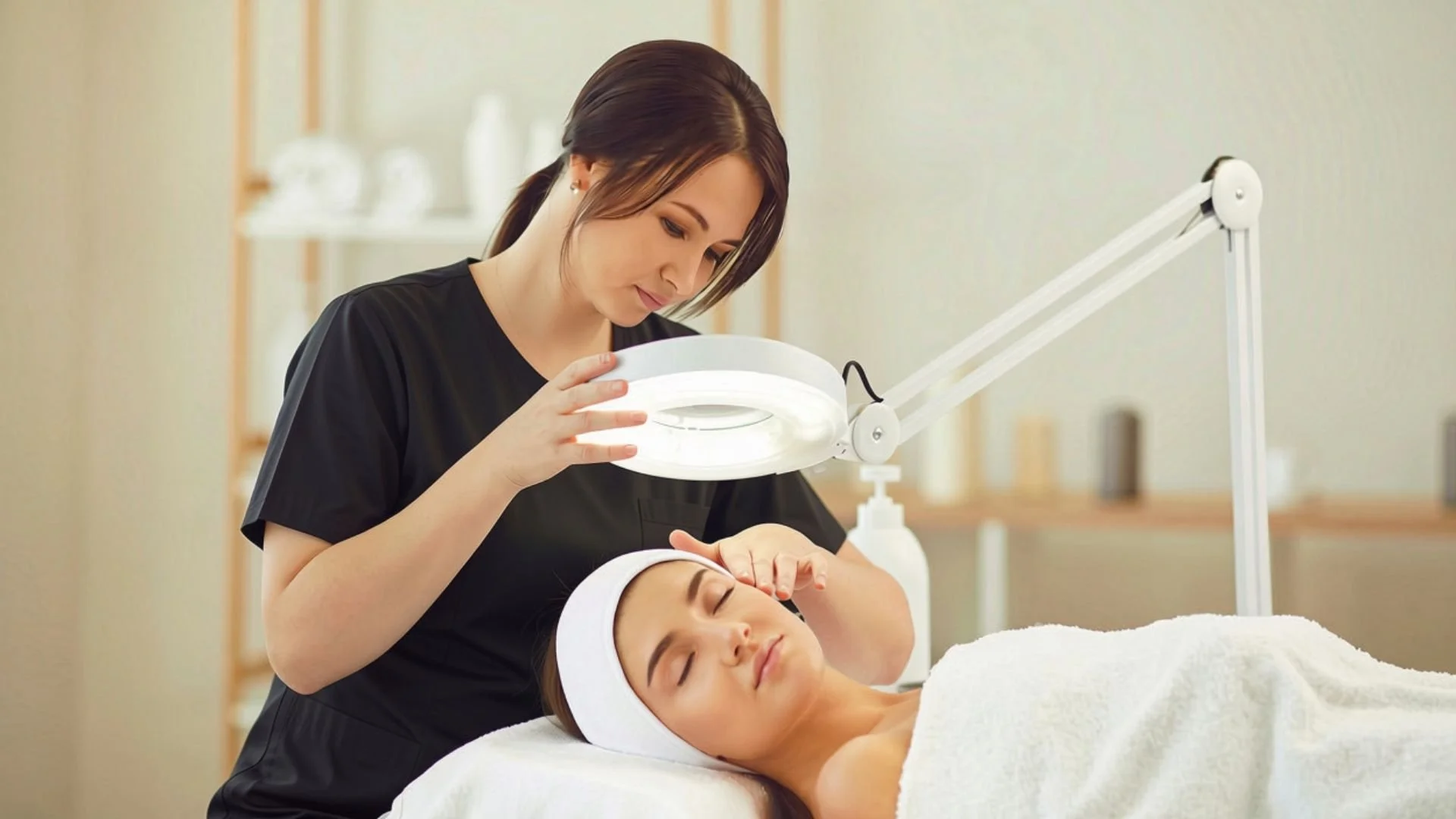
6. Facials, Chemical Peels, & Professional Skincare
Professional facials and chemical peels can support skin maintenance and address concerns such as congestion, dullness, uneven texture, and some forms of discoloration. Their costs vary according to the treatment type, products used, and level of customization.
Some people schedule facials regularly as part of their skincare routine, while others choose them periodically based on their skin's needs. Chemical peels can vary in intensity and may require specific preparation and aftercare.
Professional skincare products are another expense to consider. A well-selected routine may include a cleanser, moisturizer, sunscreen, and targeted products such as retinoids or antioxidants. You don't necessarily need a large collection of products; choosing the right ones for your skin and using them consistently is often more useful than continually adding new items.
7. Laser Hair Removal
Laser hair removal is another service where the cost of a single appointment doesn't always tell the whole story.
Pricing commonly depends on the size of the treatment area and the number of sessions needed. Smaller areas generally require less treatment time than larger areas, and individual response can vary.
Because hair grows in cycles, a series of sessions is typically needed to achieve the desired reduction. Some people may also choose maintenance treatments later.
When comparing prices, ask about the recommended number of sessions, the cost per visit, and whether package pricing is available. This gives you a clearer picture of the total investment rather than just the initial appointment.
Why the Cheapest Treatment Isn't Always the Best Value
It's understandable to compare prices, especially when treatments are an ongoing expense. But the lowest advertised price doesn't necessarily represent the best value for your skin.
The provider's qualifications, experience, treatment approach, products or technology used, and safety standards all matter. The American Academy of Dermatology recommends asking about the provider's experience, potential risks, realistic outcomes, number of treatments needed, recovery time, and total cost before undergoing a cosmetic procedure. Read the AAD's guidance on questions to ask before a cosmetic treatment.
It's also important to make sure you're comparing equivalent services. Two treatments may have similar names but differ in technology, technique, or what is included in the price.
A thoughtful consultation should help you understand your options, what each option can realistically accomplish, and whether the expected benefit aligns with your goals and budget.

How to Budget for Aesthetic Treatments
One of the easiest ways to make aesthetic care more manageable is to think beyond individual appointments.
Instead of trying to address every concern at once, start by identifying what matters most to you. Is your priority preventing expression lines, improving sun damage, supporting collagen, managing breakouts, or maintaining overall skin health? Your priorities can help determine where to direct your budget first.
Consider these steps when planning your treatment expenses:
1. Establish your priorities. Choose the skin concerns that matter most to you rather than feeling pressured to pursue every available treatment.
2. Ask for a complete treatment estimate. If a series of sessions is recommended, ask for the anticipated total cost, including any additional products or follow-up appointments.
3. Account for maintenance. Some treatments need to be repeated regularly. Understanding the expected schedule can help you estimate your annual spending.
4. Build a routine you can sustain. A plan that fits your finances and schedule is more practical than one that requires you to stretch your budget or skip important expenses.
5. Reassess as your skin changes. Your skin's needs can shift with age, hormones, seasons, and lifestyle. Your treatment plan should be able to evolve, too.
For some people, a consistent skincare routine and occasional professional treatments may be enough. Others may choose to incorporate injectables, laser treatments, or collagen-stimulating procedures over time. There is no single formula that works for everyone.
Are Aesthetic Memberships Worth It?
In our opinion - yes! For people who prefer consistent progress and sustainable outcomes, a membership is the way to plan expenses more predictably.
Memberships involve a recurring monthly payment in exchange for included services, preferred pricing, and discounts. Whether a membership is worthwhile depends on which treatments you will actually use, the value of the included services, and the program's terms.
Before enrolling, review the monthly cost, minimum commitment, cancellation policy, expiration or rollover rules, and any restrictions on how benefits can be used. Membership usage is typically tied to a timeframe, eg. monthly, and do not ‘roll over’, similar to gym memberships, credit card benefits, country clubs, and timeshares. Compare the total membership cost with what you would realistically spend paying for services individually.
At Alma Esthetics, our membership options are designed around ongoing skincare and laser care, with different levels to accommodate different needs and budgets. The important consideration is whether the included benefits align with your goals—not simply whether a membership offers a discount.
Aesthetic Care Is an Investment in You, Not a Checklist
There is no required amount you should spend on aesthetic treatments, and a higher budget doesn't automatically mean better results.
The most useful starting point is understanding what is changing in your skin, which treatments may address those concerns, and what level of maintenance is realistic for you. Once you have that information, you can decide what to prioritize now and what can wait.
At Alma Esthetics in Austin, we believe aesthetic care should be purposeful. A personalized plan allows you to consider prevention, correction, and maintenance in a way that aligns with your skin goals and your budget.
The goal isn't to do more treatments. It's to make informed choices about the treatments that make sense for you.
