
Can Perimenopause Make You Look Older?
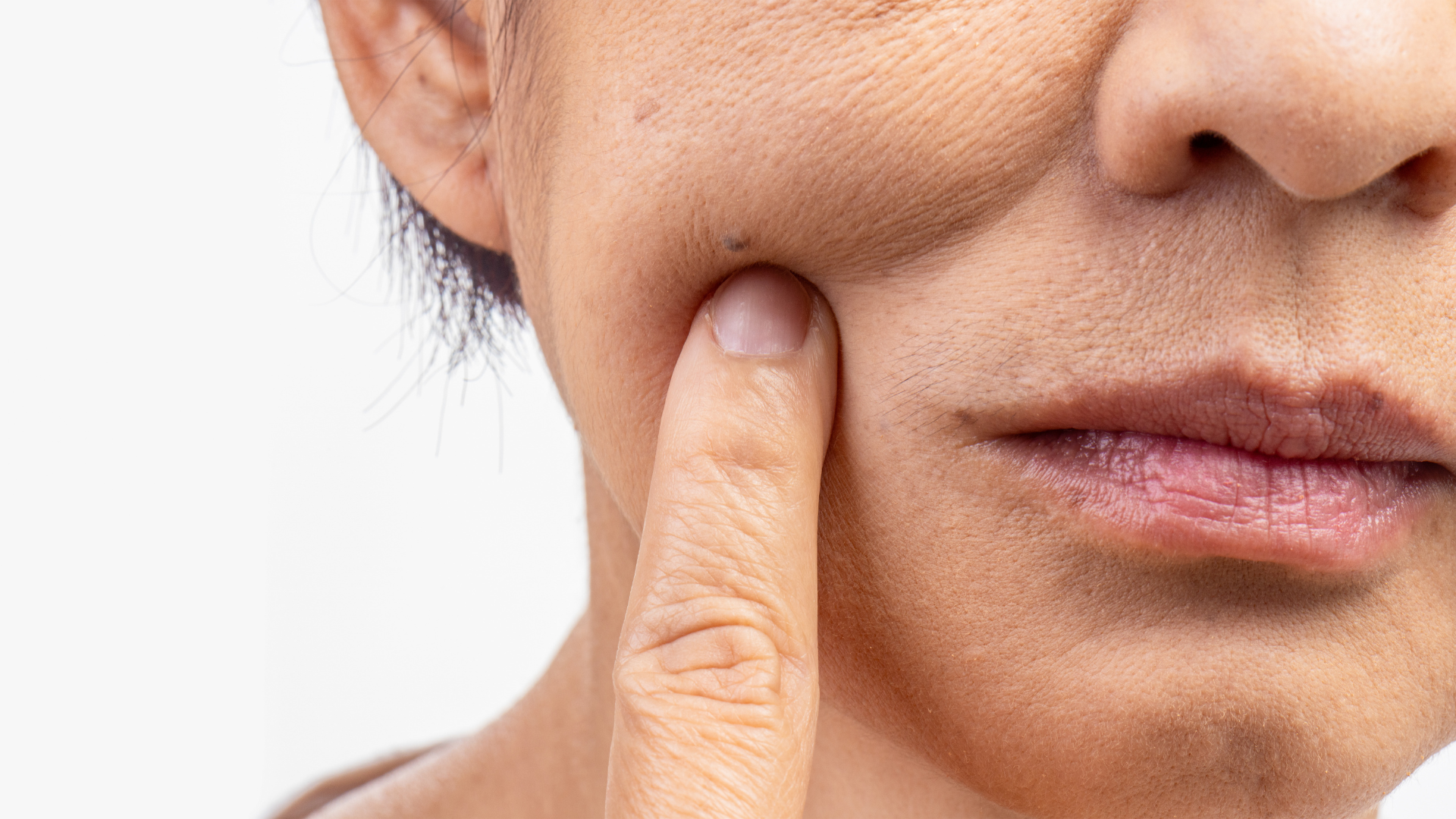
If you’re in your 40s and suddenly feel like your face has changed, you’re not imagining it.
Your skin may seem drier, thinner, less firm, or more lined than it did just a few years ago. You may notice changes in texture, pigmentation, facial volume, or even the way your skin responds to products and treatments that used to work well for you.
While some of these changes are part of normal aging, the hormonal changes of perimenopause can also play an important role in what you’re seeing in the mirror.
The good news is that understanding what is happening gives you more options for deciding what, if anything, you want to do about it.
What Happens to Your Skin During Perimenopause?
Perimenopause is the transition leading up to menopause, when ovarian hormone production becomes more variable and eventually declines. Menopause itself is defined as 12 consecutive months without a menstrual period, but the hormonal changes that affect the body can begin years earlier.
Estrogen has important effects on the skin. It is involved in maintaining collagen, skin thickness, hydration, elasticity, and other aspects of skin structure and function. As estrogen levels fluctuate and eventually decline, some women begin noticing changes in their skin as well.
That doesn't mean perimenopause suddenly makes you "age faster." Your skin is being influenced by several things at the same time—including chronological aging, cumulative sun exposure, genetics, sleep, stress, nutrition, and lifestyle.
But hormonal changes can be one piece of the puzzle that becomes much more noticeable during this stage of life.
Why Does Your Skin Suddenly Look Different?
You May Lose Collagen More Quickly
Collagen provides much of the structure and firmness in your skin. As estrogen declines around menopause, collagen production and skin structure can be affected.
The American Academy of Dermatology notes that women can lose approximately 30% of their skin collagen during the first five years of menopause, followed by a more gradual decline. This loss can contribute to decreased firmness, sagging, and wrinkles.
This is one reason someone may feel like their face has changed relatively quickly during their 40s and 50s.
Your Skin May Become Drier
Estrogen also plays a role in the skin's ability to retain moisture. When hormone levels change, some women notice that their skin feels drier, tighter, or more easily irritated.
You may also find that products you previously tolerated suddenly feel too harsh. A simpler routine focused on supporting the skin barrier and maintaining hydration can become more important during this stage.
Fine Lines and Wrinkles May Become More Noticeable
As collagen, elasticity, and hydration change, fine lines that were previously subtle may become more visible.
You may also notice that lines that used to appear only when you smiled or frowned begin to remain visible when your face is at rest. This is a combination of changes occurring within the skin and the repeated movement of the muscles underneath it.
Your Skin May Become Thinner and More Sensitive
Hormonal changes can contribute to thinner, more fragile skin. Some women notice increased sensitivity, easier bruising, or slower healing.
That can also change how you approach aesthetic treatments. What worked beautifully for your skin at 35 may not necessarily be the right approach at 45 or 50.
Pigmentation and Sun Damage Can Catch Up With You
Not every change you notice during perimenopause is caused by hormones.
Years of cumulative sun exposure can become much more visible as we get older, showing up as brown spots, uneven pigmentation, redness, and changes in overall skin tone. Hormonal changes and aging may simply be occurring at the same time that years of environmental exposure are becoming more apparent.
This is why protecting your skin from UV exposure remains one of the most important things you can do at any age.

So, Can You Actually Do Something About It?
Yes—but there isn't one treatment that addresses every change.
The most useful approach is to first understand what is actually changing in your skin and then decide which pieces you want to address.
Start With the Basics
A good skin routine becomes even more important during perimenopause.
Daily broad-spectrum sunscreen helps protect against additional photoaging, while a well-chosen moisturizer can help support the skin barrier and hydration. Depending on your skin and tolerance, ingredients such as retinoids or retinol may also be useful for supporting collagen and improving the appearance of fine lines and texture.
And this is one area where consistency matters more than having a complicated 10-step routine.
Consider Treatments That Stimulate Collagen
If loss of firmness or collagen is one of your primary concerns, there are non-surgical options designed to stimulate or support collagen production.
Treatments such as Sculptra and microneedling can be incorporated into a longer-term skin strategy when appropriate. These aren't overnight fixes—the goal is gradual improvement in skin quality and structure over time.
Address Sun Damage and Pigmentation
If brown spots, redness, or uneven skin tone are becoming more noticeable, treatments that target accumulated sun damage may be helpful.
Light- and laser-based treatments can address specific concerns such as pigmentation and photoaging, but protecting your skin from additional UV exposure remains essential.
Treat What Is Actually Changing
Not every change in your face requires the same treatment.
Neurotoxins such as Botox® and Dysport® can reduce the appearance of dynamic wrinkles caused by repeated muscle movement. Fillers can restore or replace volume when volume loss is contributing to changes in facial proportions. Collagen-stimulating treatments work differently again.
The point isn't to treat everything. It's to understand what is changing and choose the appropriate tool for the problem you're actually trying to solve.
What About Hormone Replacement Therapy?
This is where the conversation becomes more nuanced.
Estrogen has a meaningful relationship with skin health, and research has found associations between menopausal hormone therapy and improvements in measures such as skin collagen, thickness, and elasticity. A 2024 systematic review and meta-analysis found that menopausal hormone therapy was associated with increased skin elasticity and collagen content, although the researchers also noted that additional well-designed clinical trials are needed.
But that doesn't mean hormone therapy should be started simply because your skin looks different.
Hormone therapy is primarily used to treat bothersome menopause symptoms and, for appropriate women, can have other established benefits. Whether it is appropriate depends on your symptoms, age, timing of menopause, medical history, risk factors, and individual goals.
In other words, HRT shouldn't be thought of as an anti-aging treatment. If you are experiencing significant symptoms of perimenopause or menopause, however, it's worth having a conversation with a qualified healthcare professional about whether hormone therapy or other treatment options may be appropriate for you.
Any improvement in skin health would be one part of the larger picture—not the sole reason to pursue treatment.
Your Skin Doesn't Exist in Isolation
One of the biggest mistakes we can make during perimenopause is looking at every new wrinkle, dry patch, or change in facial structure as an isolated cosmetic problem.
Your skin is part of your body, and your body is going through a significant hormonal transition.
That means your approach may need to change, too. Instead of simply adding more products or chasing every new wrinkle, it can be helpful to step back and look at the bigger picture: hormone health, sun exposure, skincare, nutrition, sleep, stress, and the specific changes you're seeing in your skin.
And you don't have to do everything.
Some women may want to focus primarily on skincare and prevention. Others may want to explore collagen-stimulating treatments, address pigmentation, or consider injectables. For women experiencing significant menopause symptoms, hormone therapy may also be part of the conversation with their healthcare provider.
There is no requirement to "fix" every sign of aging.
The goal is to understand why your skin is changing, know what options are available, and decide what makes sense for you.
At Alma Esthetics in Austin, our approach is built around that same idea: looking at your skin as it changes over time and creating a long-term plan rather than treating every concern as a one-time problem.
Perimenopause may change your skin—but it doesn't mean you have to stop taking care of it.
Sources & Further Reading
American Academy of Dermatology — Caring for Your Skin in Menopause
The Menopause Society — Hormone Therapy
PubMed — Skin Rejuvenation in Women Using Menopausal Hormone Therapy: A Systematic Review and Meta-Analysis
PubMed — Managing Menopausal Skin Changes: A Narrative Review of Skin Quality Changes, Their Aesthetic Impact, and the Actual Role of Hormone Replacement Therapy in Improvement
PubMed — Estrogens and the Skin
