
Your Guide to Rosacea: Understanding and Managing the Austin Flush

Hello to our beautiful inner circle! ✨
If you’ve spent any time in our lounge lately, you know that we are all about empowering you with the knowledge to take charge of your own skin health. Today, I’m putting on my “Nurse CEO” hat to dive deep into a topic that affects so many of us here in Austin, especially during this beautiful but pollen-heavy spring: Rosacea.
While many people dismiss their facial redness as just having "sensitive skin," it’s important to understand that rosacea is a complex, chronic inflammatory condition. It is not a temporary skin irritation, and while it is highly treatable, there is currently no cure. Our goal at Alma Esthetics is to move beyond "calming" the skin and into a professional, clinical management plan that keeps your skin resilient and your confidence high.
Is It Rosacea? The Diagnostic Signs
According to the National Rosacea Society, diagnosis has shifted to focusing on specific "phenotypes" or visible signs. Identifying these early is the first step in a professional management plan.
Diagnostic Signs (A clear indicator of rosacea):
Persistent Redness: This is the most common sign, resembling a blush or sunburn that simply does not go away.
Skin Thickening: In some cases, the skin can thicken and enlarge from excess tissue, most commonly on the nose (known as phymatous changes).
Major Signs (At least two of these are diagnostic):
Flushing: Many people with rosacea have a history of frequent blushing or flushing. This is often the earliest sign of the condition.
Bumps and Pimples: Small, red, solid bumps or pus-filled pimples often develop. While they may look like acne, they are clinically different and require different treatment.
Visible Blood Vessels: Small, thin red lines (telangiectasia) caused by dilated blood vessels become visible on the cheeks and nose.
Eye Irritation: Known as Ocular Rosacea, this can cause the eyes to look watery or bloodshot, and the eyelids to become red and swollen.
The Austin Angle: Environmental Triggers
In Austin, we have a unique environmental challenge: Cedar and Pollen. While these are famous for causing "Cedar Fever," they act as significant environmental triggers for rosacea.
When your body reacts to high pollen counts, it triggers a systemic inflammatory response. For those with rosacea, this inflammation manifests on the face, causing vessels to dilate and the "Austin Flush" to intensify.
Other common triggers to watch for include:
Heat & Sun Exposure: (A major factor in our Texas summers!)
Spicy Foods & Hot Beverages
Alcohol: Particularly red wine.
Stress: Which we know can show up on our skin in more ways than one.
Professional Management: Medical & Laser Therapy
Managing a chronic condition requires a multi-faceted, professional approach. At Alma Esthetics, we prioritize integrated treatment plans:
Medical Therapy: We often recommend professionally guided topical or oral therapies. These might include anti-inflammatory topicals like metronidazole, azelaic acid, or subantimicrobial doses of oral doxycycline to manage inflammatory lesions.
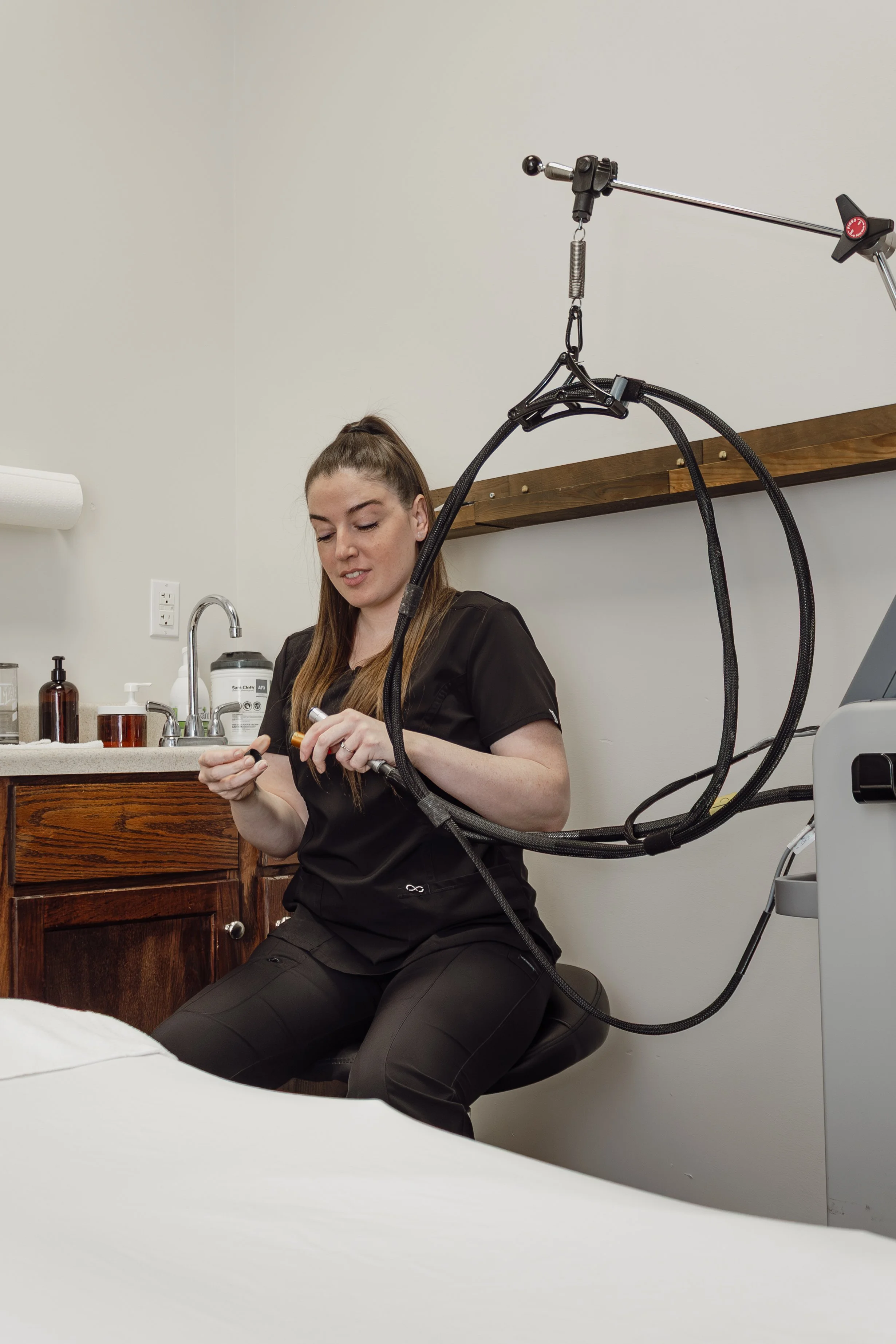
IPL & Laser Treatments: For the persistent redness and visible blood vessels that topicals can’t reach, Intense Pulsed Light (IPL) or vascular lasers are the gold standard. These treatments target the visible vessels, effectively "shrinking" the redness and giving your skin a clearer, more even tone.
Wellness Optimization: Because rosacea is inflammatory, ourHormone Replacement Therapy and weight loss programs play a role by helping to regulate systemic inflammation from the inside out.
Your At-Home Clinical Routine
Professional care doesn't stop at our door. Your daily habits are the foundation of your skin’s success:
Gentle Cleansing: Use a mild, non-abrasive cleanser twice daily. Avoid any scrubs or products that cause a "squeaky clean" (stripped) feeling.
Mineral Sunscreens: Chemical sunscreens can be irritating. Always look for Zinc Oxide or Titanium Dioxide on the label. These provide a physical shield against UV rays, which are a top rosacea trigger.
Avoid the "Sting": If a product stings or burns upon application, it is likely compromising your skin barrier. Avoid ingredients like alcohol, fragrance, menthol, and camphor.
Join the Inner Circle
Managing rosacea is a marathon, not a sprint. Consistency is why we are so passionate about ourMonthly Membership. It ensures you stay on top of your professional treatments and barrier-repair care, especially during peak trigger seasons.
At Alma Esthetics, we are explicitly not here to intimidate you. We are here to provide expert, medical guidance in a space where you feel heard and supported. You don't have to navigate your "Austin Flush" alone.
With so much love and scientific excitement,
Emily Rocha
CEO, Alma Esthetics 💖
Are you ready to create a professional plan for your skin? Book your consultation with our experienced team today!
