

Noticing that your face looks a little less full than it used to? Maybe your cheeks aren't as defined, the area around your mouth looks different, or your face seems a little more tired even when you're well-rested. These changes are a normal part of aging, but they can leave you wondering which treatment will help restore a more refreshed appearance.
Two common options for facial volume restoration are Sculptra and traditional dermal fillers. Although both are injectable treatments, they work in very different ways. Understanding the difference can help you decide whether to start with Sculptra, filler, or a combination of the two.
Why Does Facial Volume Change as We Age?
Facial aging isn't just about developing wrinkles. Over time, we experience changes in collagen, elastin, skin thickness, facial fat distribution, and the underlying structures that support our features. These changes can contribute to flatter cheeks, deeper folds, less definition along the jawline, and a general loss of facial fullness.
Collagen is an important part of this process because it provides structure and support to the skin. As collagen production declines with age, skin can become less firm, and the changes in facial volume may become more noticeable. This is one reason why simply filling an individual wrinkle doesn't always address the bigger picture of facial aging.
What Is the Difference Between Sculptra and Traditional Dermal Filler?
The biggest difference comes down to how each treatment works.
Traditional dermal filler—particularly hyaluronic acid (HA) filler—adds volume directly where it is injected. It can restore fullness to specific areas, soften certain lines, and improve facial contours. Results are generally visible soon after treatment, although swelling and settling can affect the initial appearance.
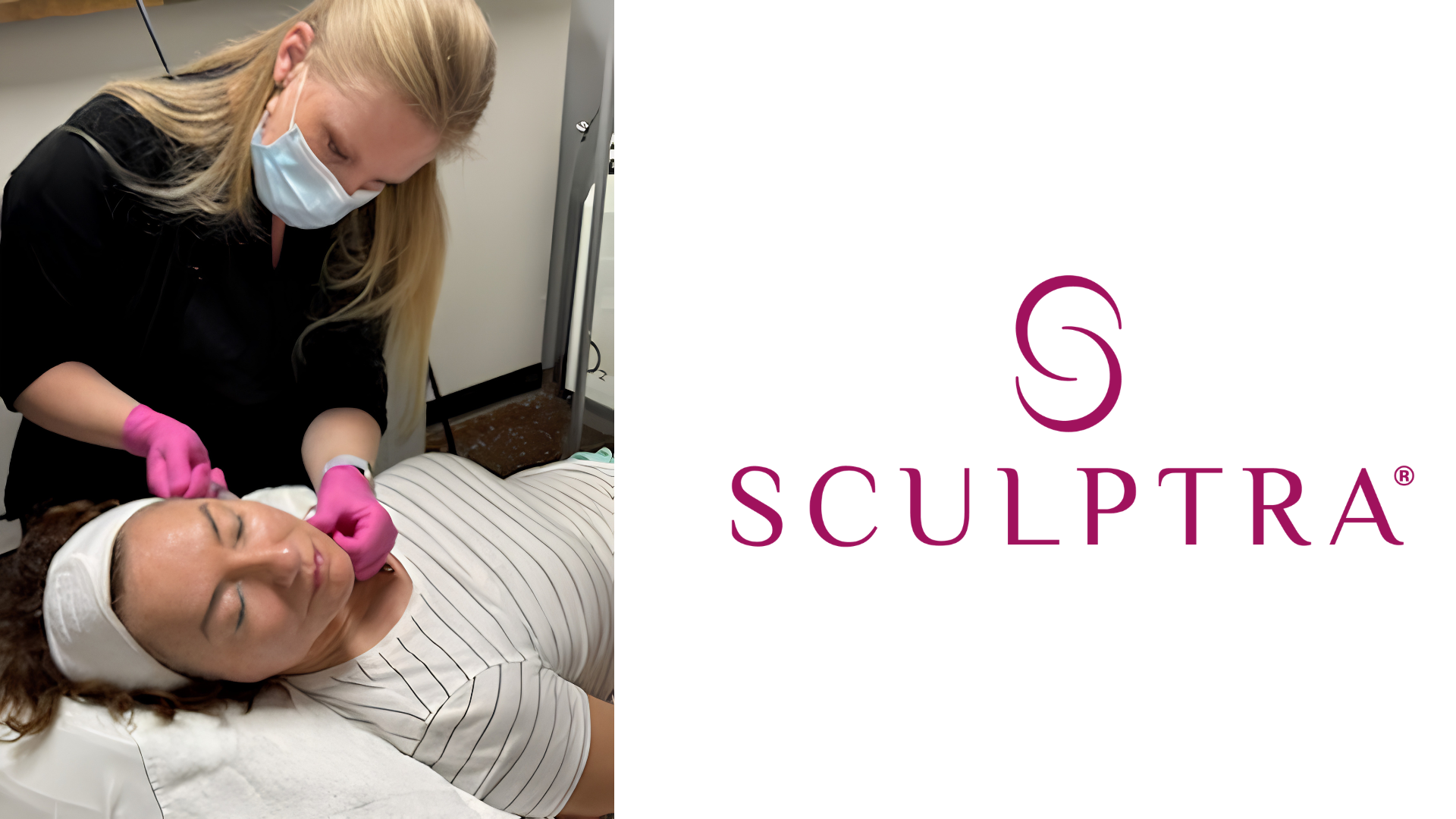
Sculptra works differently. It contains poly-L-lactic acid (PLLA), a biostimulatory material that encourages your body to produce its own collagen over time. Rather than simply adding volume to a specific area, Sculptra helps gradually rebuild support and improve facial structure as collagen develops.
Neither treatment is automatically better than the other. They address different aspects of facial aging, and the right choice depends on the type of volume loss, the areas being treated, and how quickly you want to see results.
When Should You Start With Sculptra?
When someone is experiencing more widespread or gradual facial volume loss, Sculptra may be a good starting point. This is particularly relevant for adults in their 40s and beyond who are beginning to notice changes in facial fullness, skin firmness, and overall facial support.
Rather than focusing on filling one line or adding volume to one area, Sculptra supports collagen production over time. The goal is gradual improvement that works with your existing facial structure instead of creating an immediate, dramatic change.
Sculptra is not an instant-results treatment. Most people need a series of sessions over several months, and visible improvement develops gradually. That makes it a good option for people who prefer a more progressive approach to facial rejuvenation and are comfortable allowing time for results to develop.
When Is Traditional Filler the Better Choice?
Traditional dermal filler is often the better option when a specific area needs targeted volume or definition. Because hyaluronic acid filler provides immediate volume, it can be useful when someone wants to address a particular concern without waiting for collagen production to develop.
For example, filler may be appropriate for:
Lip enhancement: Adding or restoring volume while maintaining natural lip proportions.
Targeted cheek volume: Addressing a specific area of flattening or volume loss.
Chin and jawline definition: Improving facial balance and contour when appropriate.
Localized lines and folds: Softening certain facial creases when volume restoration is indicated.
Filler can also be useful for people who have a specific area they want to address rather than more generalized facial volume loss. The product, placement, and amount used should always be selected based on facial anatomy and individual goals.
Should You Get Sculptra Before Filler?
For many people experiencing age-related facial volume loss, starting with Sculptra can be a thoughtful approach. By focusing first on collagen stimulation and the overall foundation of the face, we can evaluate how much improvement develops before deciding whether additional, targeted filler is needed.
This doesn't mean everyone should receive Sculptra before filler. Someone primarily interested in lip enhancement, for example, may be better suited to traditional filler. Someone with a specific area of volume loss may also benefit from filler as the first treatment.
In some cases, combining the two treatments produces the most balanced result. Sculptra can support gradual collagen development, while traditional filler can address areas that need more immediate or precise volume restoration. The treatments serve different purposes, so the order and timing should be based on the individual's treatment plan.
Can Sculptra and Filler Be Used Together?
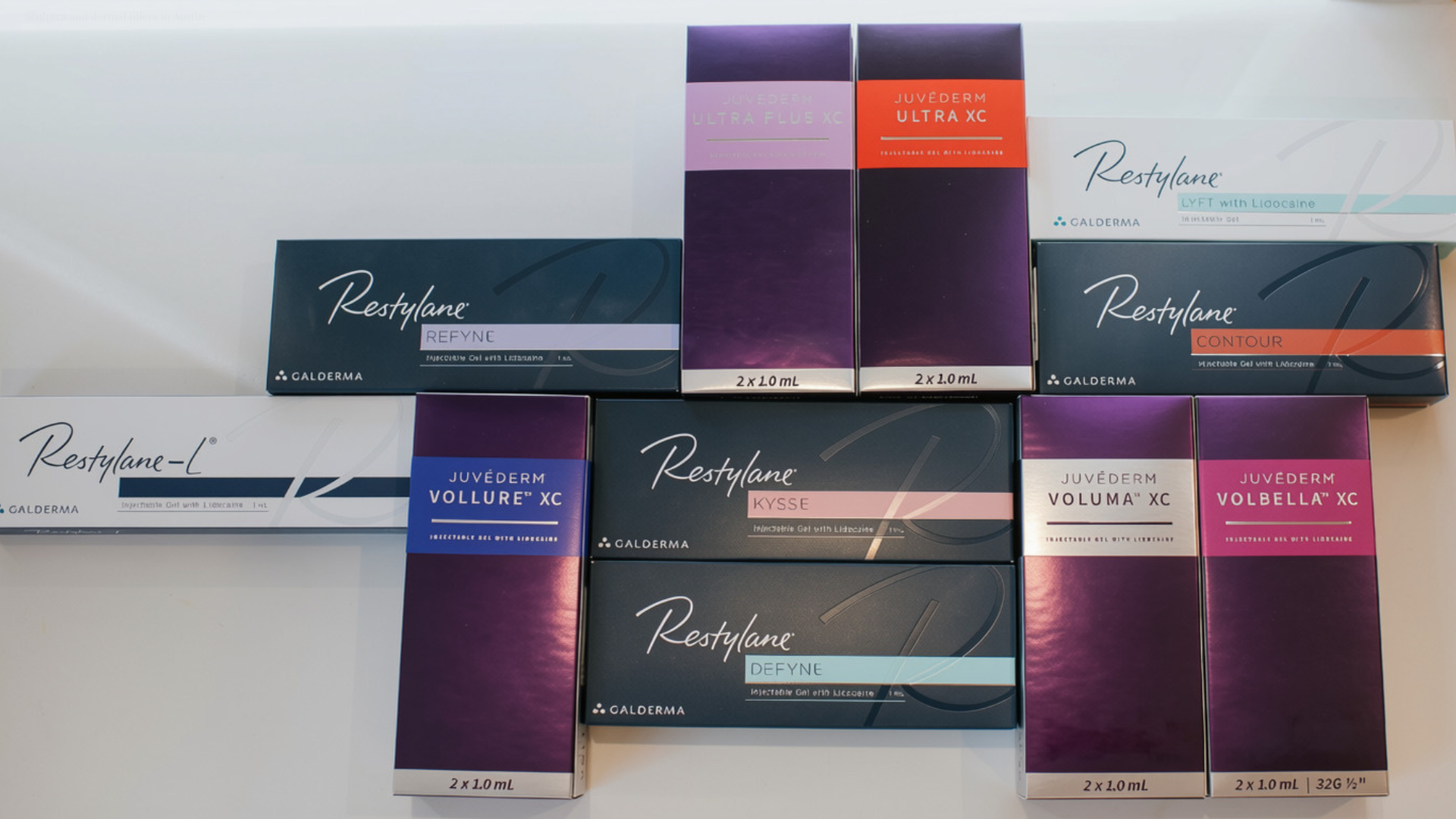
Yes. Sculptra and traditional dermal fillers can complement each other when used appropriately.
Think of Sculptra as a way to support the skin's underlying structure over time, while traditional filler can provide more immediate correction in specific areas. For someone experiencing multiple signs of facial aging, addressing both collagen loss and localized volume changes may create a more comprehensive approach.
The key is not to use more product simply because multiple options are available. A well-designed plan considers facial proportions, existing volume, skin quality, and how each treatment contributes to the overall result. Sometimes one treatment is enough, and sometimes a combination makes more sense.
How Do You Know Which Treatment Is Right for You?
Choosing between Sculptra and filler starts with understanding what is actually changing in your face. Is the primary concern collagen loss, reduced facial volume, deeper folds, or a specific area that needs more definition? These concerns can look similar, but they don't necessarily require the same treatment.
A consultation should include an assessment of your facial structure, skin quality, medical history, and aesthetic goals. It's also important to discuss the expected timeline, potential risks, and limitations of each treatment. Both Sculptra and dermal fillers are medical procedures with risks, and they should be performed by appropriately trained and qualified healthcare professionals.
At the end of the day, the goal isn't to choose the most popular injectable or to add volume everywhere. It's to identify what your face needs and create a plan that supports natural-looking results over time.
The Takeaway: Restore the Foundation, Then Refine the Details
Sculptra and traditional dermal fillers can both play an important role in facial volume restoration, but they aren't interchangeable. Sculptra stimulates gradual collagen development and may be a good starting point for more widespread age-related changes, while traditional filler offers targeted, more immediate volume when a specific area needs attention.
If you're considering facial rejuvenation, the best starting point is a personalized consultation—not a predetermined number of syringes or a one-size-fits-all treatment. At Alma Esthetics, located at 9707 Anderson Mill Rd, Suite 200, Austin, TX 78750, we focus on creating treatment plans that align with your facial structure, skin goals, and long-term approach to aging.
